







Which Parts Matter Most in Garage Door Maintenance?
Your garage door is made up of many connected parts that work together to keep the system operating properly. While every component has a purpose, some parts experience greater strain and have a stronger impact on safety and overall performance. Understanding which elements carry the most responsibility allows garage door care to be approached with clarity rather than treated as a single, generalized task.
Instead of viewing maintenance as one broad effort, it helps to recognize how different components handle daily movement and load as part of a complete garage door tune-up & maintenance process. Focusing on the parts that endure the most stress supports smooth operation, consistent balance, and long-term reliability. Taking the time to understand these critical components helps keep the garage door system working safely and efficiently over time.
Garage Door Maintenance: Components That Matter Most
When thinking about preventive garage door maintenance, attention should be given to the components that handle the most movement and strain. Parts such as springs, cables, rollers, and hinges operate under constant pressure as the door opens and closes each day. Focusing maintenance efforts on these high-use components makes it easier to identify early signs of wear and prevent minor concerns from developing into larger mechanical problems. Addressing potential issues early supports consistent performance and helps avoid unexpected disruptions.
A well-structured garage door maintenance checklist naturally centers on the components exposed to the greatest stress. Springs and cables support the weight of the door and play a major role in controlled movement, while rollers and tracks guide the door along its path during operation. When these elements are overlooked, overall performance can suffer, and safety may be compromised. Understanding why these parts matter and how their condition influences daily operation creates a stronger foundation for long-term reliability.
For a deeper look at what proper upkeep includes, explore our guide titled “What Does Garage Door Maintenance Really Involve?”
Why Routine Garage Door Inspection Is Important for Houston Homes
Houston’s climate presents unique challenges for garage door systems, making routine inspections especially important for local homeowners. High humidity and prolonged heat can accelerate wear on metal components, increase the risk of corrosion, and cause seals to dry out or crack. These environmental factors place added strain on moving parts, which means garage door maintenance becomes a necessity rather than a seasonal consideration.
Regular garage door inspections help identify weather-related issues before they progress into more serious mechanical failures. A slightly bent track or a corroded hinge can force the opener to work harder than intended, increasing stress on the system over time. In a climate defined by heat and moisture, staying attentive to these conditions helps ensure the door continues to function smoothly throughout the year.
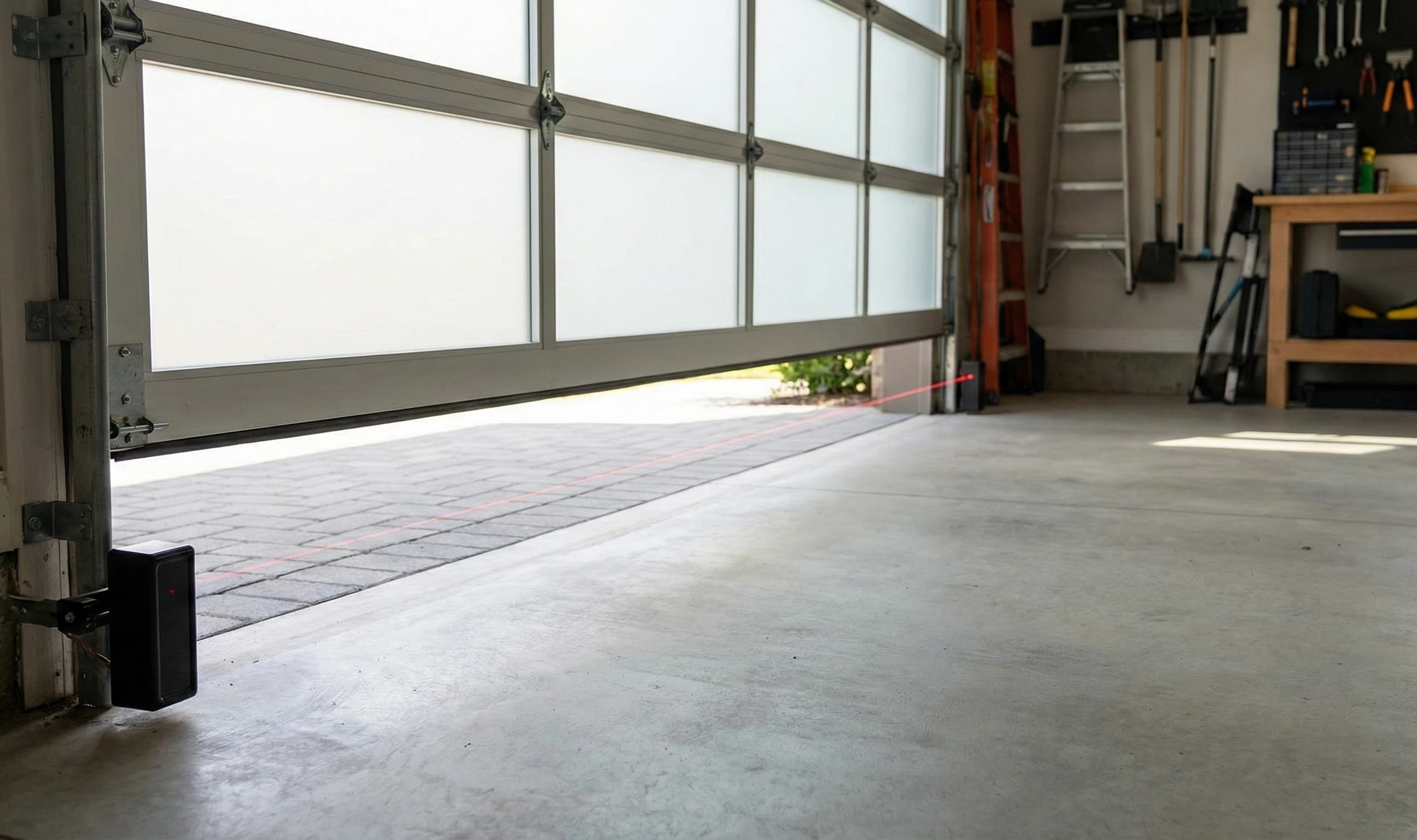
Inspections also play an important role in maintaining overall safety. Moisture and heat can affect sensitive components, including safety sensors, which may interfere with proper operation if left unchecked. Making garage door inspections part of routine home care supports dependable performance, protects household safety, and reduces the likelihood of weather-related damage.
How Individual Parts Affect Garage Door Safety and Daily Operation
The safety and daily performance of a garage door depend on how well each component works in harmony with the rest of the system. When one part begins to deteriorate, the effects can ripple through the entire mechanism. Moving components, such as springs and rollers, experience constant friction and pressure, which makes their condition especially important to reliable operation.
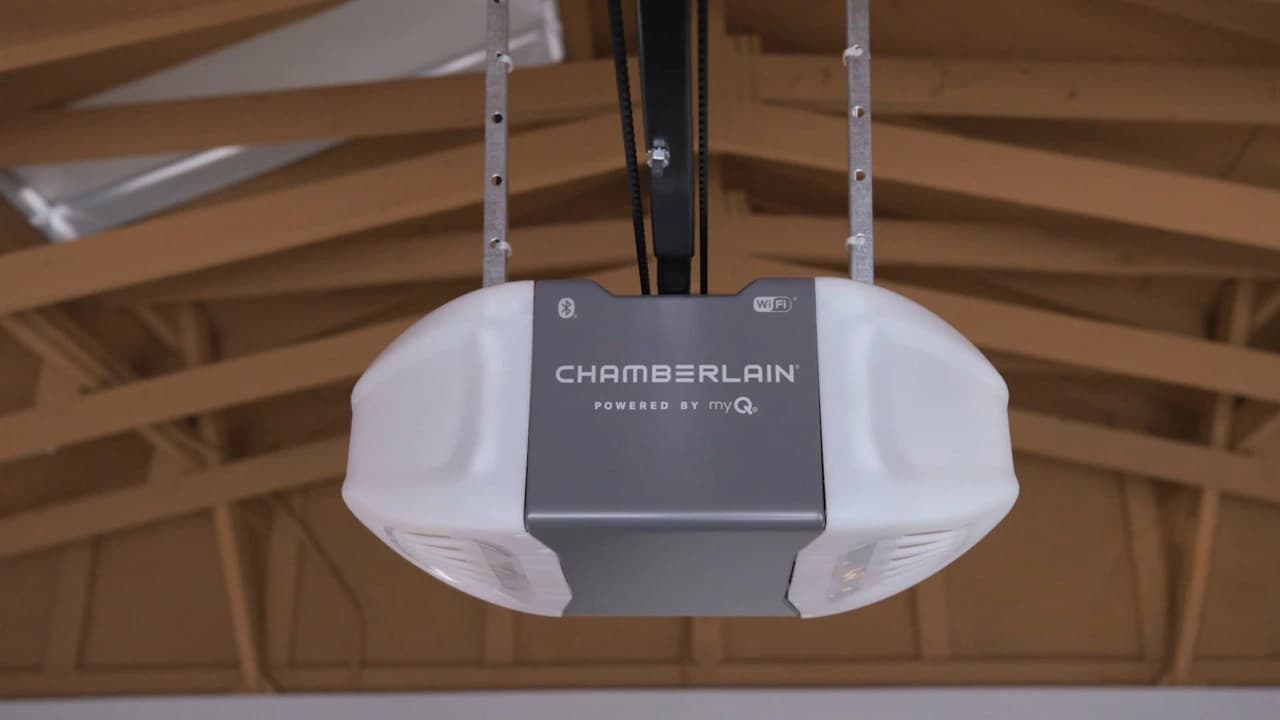
System balance is a clear indicator of how well these parts are functioning together. A weakened spring or worn cable can shift that balance, placing extra strain on the opener and increasing the likelihood that garage door opener service may be needed. Paying attention to early changes in movement or sound can help reveal issues before they lead to larger system disruptions.
Several key components play a direct role in maintaining both safety and performance:
- Springs and Cables: These components manage the door’s weight and allow it to lift and lower smoothly. When they become compromised, the door may struggle to operate correctly and pose potential safety concerns.
- Rollers and Tracks: Rollers guide the door along the tracks, ensuring controlled movement. Damage or misalignment in these areas can cause the door to bind, shift unevenly, or stop mid-operation.
- Hinges: Hinges connect the door panels and allow them to bend as the door moves. Excessive wear in these joints can affect alignment and place additional stress on other moving parts.
Understanding how each of these components contributes to the system highlights why targeted garage door maintenance plays such a vital role in daily use and long-term dependability.
Tracks, Rollers, and Hinges in a Standard Garage Door Tune-Up
During a standard garage door tune-up, close attention is given to the tracks, rollers, and hinges because these components guide the door through every movement. Their condition directly affects how smoothly and quietly the door opens and closes. Tracks must remain straight, secure, and free from obstruction so rollers can travel without resistance. Even minor debris or slight bends can disrupt movement, causing the door to shake, bind, or stop altogether.
Roller brackets and hinges are also examined for signs of looseness or wear, as constant motion can gradually affect their stability. While a visual check can reveal obvious concerns, adjustments involving alignment or hardware are best handled with proper experience and equipment. Regular garage door maintenance helps preserve the condition of these components, reducing the likelihood of sudden malfunctions and supporting reliable operation over time.
To better understand maintenance timing, take a moment to read “How Often Is Garage Door Maintenance Needed?”
How Track Condition Impacts Movement and Alignment
Garage door tracks create the pathway that allows the door to move in a controlled and predictable manner. When tracks remain straight and properly secured, the door glides smoothly along its intended route. Damage such as bends, dents, or shifting can interrupt this movement, leading to noise, uneven travel, or complete failure. Debris buildup inside the tracks can further restrict movement and place unnecessary strain on connected parts.
Correct alignment is a key focus within any garage door maintenance checklist. Tracks that fall out of alignment increase the risk of rollers slipping or binding, which can place added stress on hinges, panels, and the opener itself. Over time, this imbalance may result in warped panels, worn rollers, or excessive wear on the opener mechanism.
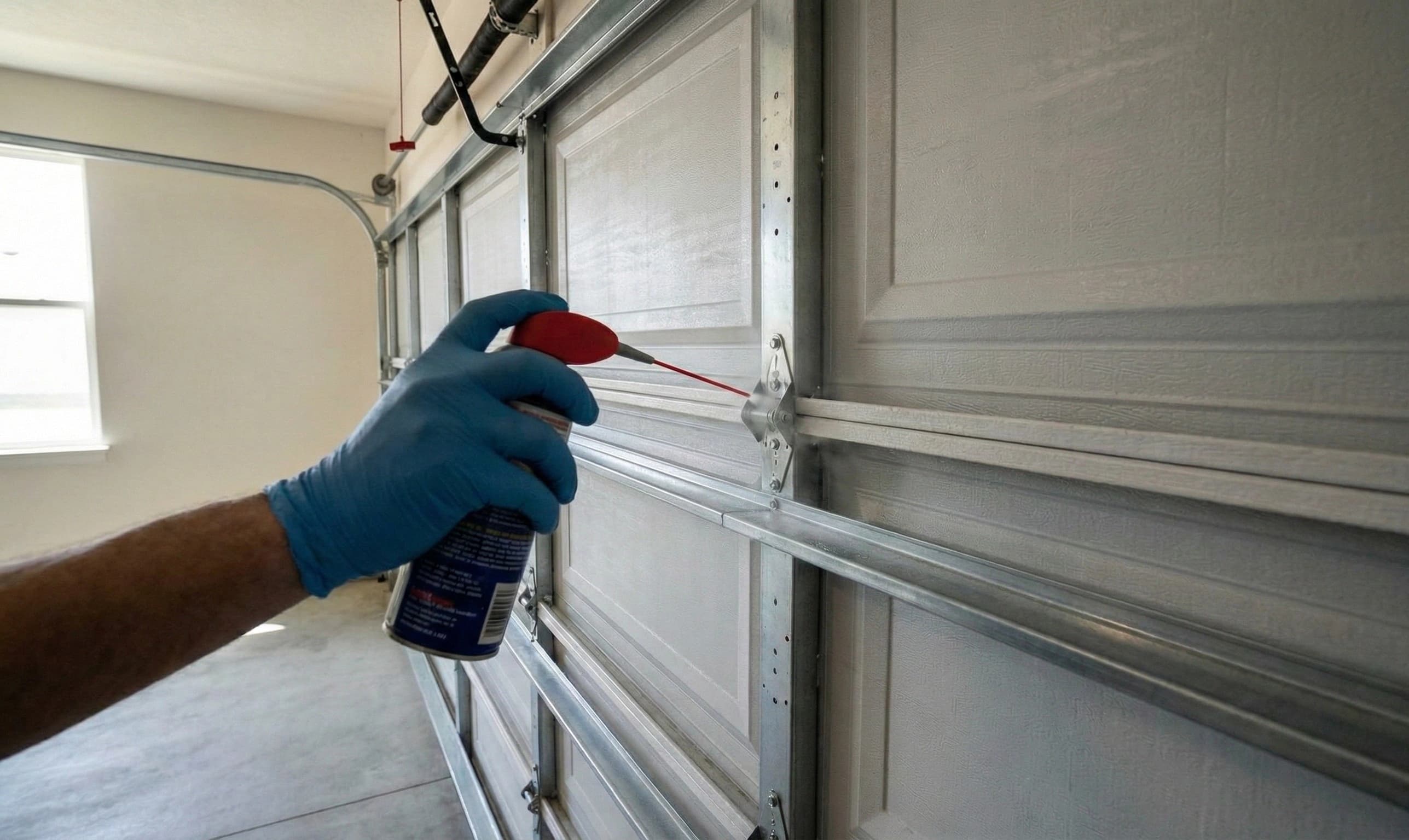
Routine maintenance ensures tracks are inspected, secured, and aligned before issues escalate. After inspection and cleaning, proper lubrication helps support smooth travel and minimizes friction. Consistent care of the track system contributes to steady performance and helps extend the working life of the entire garage door assembly.
Why Rollers and Hinges Influence Long-Term Garage Door Performance
Rollers and hinges are among the most active components in a garage door system, absorbing constant movement and pressure with every cycle. Rollers travel inside the tracks and bear much of the door’s weight as it opens and closes, which makes them particularly vulnerable to wear over time. When rollers deteriorate or lose lubrication, the door may begin to move unevenly or produce noticeable noise during operation.
Hinges connect the individual panels and allow the door to bend as it follows the curved track. These joints endure ongoing tension and must remain secure to keep the panels properly aligned. Worn or loose hinges can cause panels to sag, creating gaps and affecting how the door fits within the opening. Left unaddressed, this misalignment can lead to added strain on nearby components.
Because rollers and hinges influence how evenly the door moves, their condition also affects the workload placed on the opener. Excessive resistance forces the motor to work harder than intended, which can shorten its operational lifespan and increase the need for services such as broken spring replacement when added strain affects system balance. Maintaining these moving parts through regular inspection and lubrication supports balanced movement, reduces mechanical stress, and helps the garage door system perform reliably over the long term.
Springs and Cables in Preventive Garage Door Maintenance
Springs and cables form the core of a garage door system by carrying and balancing the full weight of the door during operation. Torsion springs, in particular, operate under extreme tension and play a critical role in controlled movement. Because of the force they hold, these components also present serious safety risks if handled improperly. For that reason, any work involving springs or cables should be performed by trained professionals, as improper handling can lead to severe injury.
Preventive garage door maintenance includes careful evaluation of springs and cables for visible wear, corrosion, or signs of weakening. When these components begin to deteriorate, the door may no longer operate smoothly and can become unsafe. A compromised spring removes the system’s ability to manage weight properly, which may cause the door to drop suddenly. Understanding how wear develops and recognizing early warning signs helps ensure timely professional service before more serious failures occur.
To see why these checks matter, read “What Happens If Garage Door Maintenance Is Ignored?”
Signs of Stress Identified During a Garage Door Safety Check
Identifying stress within a garage door system is essential for maintaining safe and reliable operation. A routine garage door safety check often begins with observing how the door moves and listening for unusual sounds during operation. Changes in movement or unexpected noise are often early indicators that certain components are under strain and that maintenance is overdue. When these warning signs are ignored, minor issues can progress into system failures that require urgent repairs.
Grinding, scraping, or banging sounds may indicate worn rollers, hardware strain, or insufficient lubrication, while uneven or jerky movement can suggest balance problems related to springs or cables that may eventually require cable replacement. Visual signs such as rusted springs or frayed cables point to structural weakness and should never be overlooked. Addressing these symptoms early reduces the risk of sudden breakdowns and helps preserve the overall stability of the system.
The table below outlines common signs of stress and what they may indicate within a garage door system:
Recognizing these warning signs allows problems to be addressed before they lead to sudden system failure. Regular safety checks help protect both the garage door system and the people who rely on it every day.
Why Springs and Cables Are Key Parts of a Garage Door Maintenance Checklist
Springs and cables are essential parts of any garage door maintenance checklist because they control balance, movement, and overall safety. Torsion springs counteract gravity by lifting the door’s weight, allowing it to open and close smoothly while reducing the strain placed on the opener. When these components begin to wear or when cables thin, fray, or weaken, the door’s balance is disrupted, and the opener is forced to work harder than intended, which can shorten its lifespan and lead to unexpected system failure. Because springs and cables function together, a problem with one can quickly affect the entire system, making regular evaluation critical. Maintaining these components supports proper door balance, helps safety features function as designed, and ensures the garage door operates reliably while protecting everyone who uses it.
Understanding the main components involved in garage door maintenance is essential for safe and reliable operation, especially when it comes to tracks, rollers, hinges, springs, and cables that support daily movement and balance. Regular attention to these parts helps the door function smoothly, reduces long-term wear, and extends the life of the entire system, while neglect can lead to sudden failures, costly repairs, and potential safety concerns. Addressing signs of wear as they appear allows the system to remain dependable over time, which is particularly important for homeowners in Houston, where heat and humidity can accelerate deterioration. Keeping the garage door in proper condition not only supports consistent performance but also contributes to the overall functionality and value of the home.
For homeowners looking for dependable support, Ingenious Garage Door Services offers knowledgeable care focused on long-term performance and system reliability. Our team understands how local conditions affect garage doors and approaches maintenance with attention to detail and safety in mind. If you want to keep your garage door operating smoothly and avoid unexpected issues, contact us today or give us a call to schedule a professional evaluation and take the next step toward dependable performance.
Frequently Asked Questions
Which garage door components usually require the most attention during garage door maintenance?
The components that require the most attention are the moving parts, as they experience constant tension and friction during daily operation. Torsion springs and cables support the weight of the door, while rollers, hinges, and tracks guide movement and maintain alignment. Over time, this repeated stress can lead to wear that affects performance and safety, which is why these components are closely evaluated during routine garage door maintenance.
How can a garage door inspection indicate that the system is no longer operating normally?
A garage door inspection can reveal early signs of trouble through both visual and operational checks. Frayed cables, gaps in springs, or bent tracks often point to developing issues, while grinding, scraping, or banging noises during operation suggest mechanical strain. Difficulty opening the door, uneven movement, or a heavy feel when lifting can also indicate that the system is no longer balanced and may require professional attention.
Why is routine garage door maintenance especially important for homes in Houston, Texas?
Houston’s heat and humidity can accelerate wear on garage door components, particularly metal parts and weather seals. Prolonged exposure to moisture increases the risk of corrosion, while high temperatures can cause seals to harden or crack. Routine garage door maintenance helps address these climate-related issues early, supporting reliable operation and reducing the likelihood of unexpected system failures.
Which garage door components are most affected by daily use over time?
Rollers, hinges, and springs are the components most affected by daily use because they manage movement, flexibility, and weight distribution with every opening and closing cycle. Over time, continuous friction and tension gradually wear these parts down, which can disrupt balance and place added strain on the garage door opener if maintenance is overlooked. For a broader understanding of how these components work together within the system, you can reference Durango Homes for Sale, which provides a helpful overview of garage door mechanics and performance considerations.
How does preventive garage door maintenance help reduce unexpected system issues?
Preventive garage door maintenance focuses on identifying wear and imbalance before they lead to system failure. By monitoring the condition of critical components such as springs, cables, and moving hardware, potential issues can be addressed early. This proactive approach supports consistent operation and lowers the risk of sudden breakdowns that require urgent repairs.
What role do moving parts play in overall garage door performance?
Moving parts such as rollers, hinges, and springs are essential to smooth and controlled garage door operation. They guide movement, manage weight, and reduce resistance as the door opens and closes. When these components are properly maintained, the door operates quietly and efficiently, while deterioration or misalignment can lead to noise, vibration, and added stress on the opener.
Can weather conditions affect garage door maintenance needs over time?
Weather conditions play a significant role in garage door maintenance needs, especially in regions with high humidity or extreme temperatures. Moisture can accelerate corrosion on metal components, while heat may degrade seals and affect lubrication performance. These environmental factors increase the importance of routine maintenance to ensure consistent operation throughout changing seasons.
How does garage door maintenance support consistent opening and closing cycles?
Garage door maintenance ensures that all components work together without unnecessary resistance. Proper alignment of tracks, balanced springs, and smooth-moving hardware reduces strain during operation, allowing the door to open and close evenly. This consistency helps protect the opener and supports dependable performance with each use.
Why is part alignment included in a garage door maintenance checklist?
Part alignment plays a critical role in garage door performance because misaligned components can disrupt movement and accelerate wear throughout the system. When tracks shift out of position, rollers may bind or derail, leading to uneven operation and increased stress on panels and hardware. Maintaining proper alignment helps preserve overall balance and prevents avoidable mechanical damage, a process outlined in more detail by City Lifestyle, which highlights how alignment fits into a comprehensive maintenance approach.
How do neglected components impact overall garage door balance?
Neglected components, such as worn springs or weakened cables, can throw off the door’s balance, forcing the opener to compensate for uneven weight distribution. This added strain increases the risk of motor failure and unsafe door movement. Regular maintenance helps identify these issues early, supporting proper balance and reducing long-term stress on the entire system.